Sunday, June 5, 2011

We have Broccoli!!!

This is the first year I have planted broccoli.  I bought the plants on April 6 and planted them the same day.  Because of frost warnings after planting, I did have to cover the plants on occasion. 
All of the work was worth it.  I am harvesting a lot sooner than usual.

This is a picture of the plants two weeks ago. 
Broccoli
The plants were starting to bolt due to the extremely hot weather we have been having, therefore, I had to harvest them all at once. Now to blanch and put them in the freezer.
 I still  have several smaller heads growing on the plants to eat fresh. 
Once the plants are done producing, I will plant another crop from seed to harvest this fall.

Picked today.


 This is another first for me.  Mustard.  It almost has a horseradish taste to it and adds a nice spice when mixed in a salad.

 Cabbage and cauliflower bed.
I mixed in some onions to help deter bugs.
There are cucumbers planted in the far row which will take longer to grow. 
Once they get tall enough I will train them to grow up the trellis.

 Peas
This picture was taken last week.  Today there are pods forming and several blossoms on the plants.  They will be ready to pick soon!  I have two other succession plants of peas to space out the harvest.  These are a favorite for the chickens and they love getting them as a treat!

Sunday, May 15, 2011

Meet the girls- RED

 This is "RED".  She's a red sex link hen, hence the name RED. 

She is sassy like any red head can be.  She's comes running when she thinks we have a treat for her. All I have to do is rattle a bread sack and she comes running.   If she's not first, she is usually second in line to Barkie. When she isn't first it's only because Barkie has a bigger behind she uses to her advantage in those situations. 
 Red is the only bird that wasn't killed or damaged last fall when the neighborhood dogs broke into our coop.  I think it's because she was feisty enough to peck at the dog to get it to leave her alone.  She used to peck at our legs if she felt our shoes were threatening.  We put a stop to it, and she has been a sweetheart ever since. 
Red was good to look over the other hens when they were injured and would sit and keep watch over them.


Red lays a large brown egg almost every day. She rarely takes a day off. Her eggs are great to eat but we can't hard boil them. They shell is so strong it will not peel when boiled. We end up taking part of the egg off with the shell.

Saturday, May 14, 2011

Sewing from a pattern

I have officially completed my first sewing project using an actual pattern. This is the first time in almost 14 years. 

The pattern is from simplicity “It’s so easy”. Believe me it WAS by no means EASY!

I hate using patterns and prefer to wing it when it comes to sewing. I am not sure why I got a bug to get a few patterns, but I have, and now I feel obligated to use them. Hopefully the next ones will be easier.


 Simplicity Pattern 2243  Bag B


I am not sure why I chose to sew a purse, but I did. Could I have bought one cheaper? Yes. The material alone was close to $20; however, I now have the satisfaction of having made my own. Satisfaction may be the only thing I have right now because I am sure I have less hair.   At least I know how the pieces go together (since I had to take them apart so many times). The next time I can use leather and make an even nicer one.

Wednesday, April 27, 2011

Welcome to Our Coop

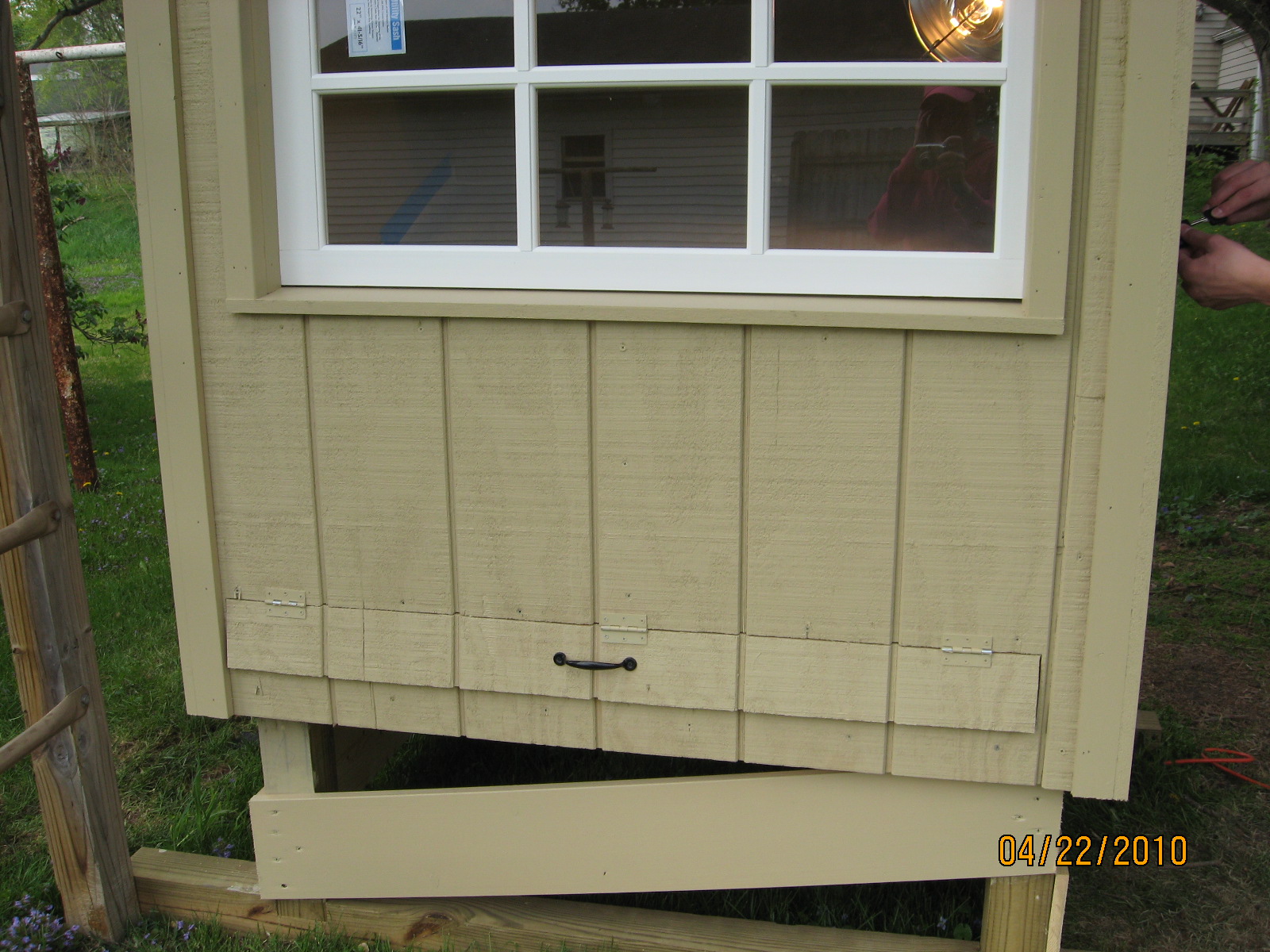
These are some pictures of our coop while it was still under construction and the completed project thanks to my family!  My dad is such an awesome carpenter!


Roof latch.  The roof lifts up for easier access to clean the inside.


Floor and nexting boxes.


Access to nesting boxes from the back side.  There is a handle and latch to lock the boxes up which is not shown in this picture.


Nesting boxes outside access.
Inside view of nesting boxes.


The first babies checking out their new home.


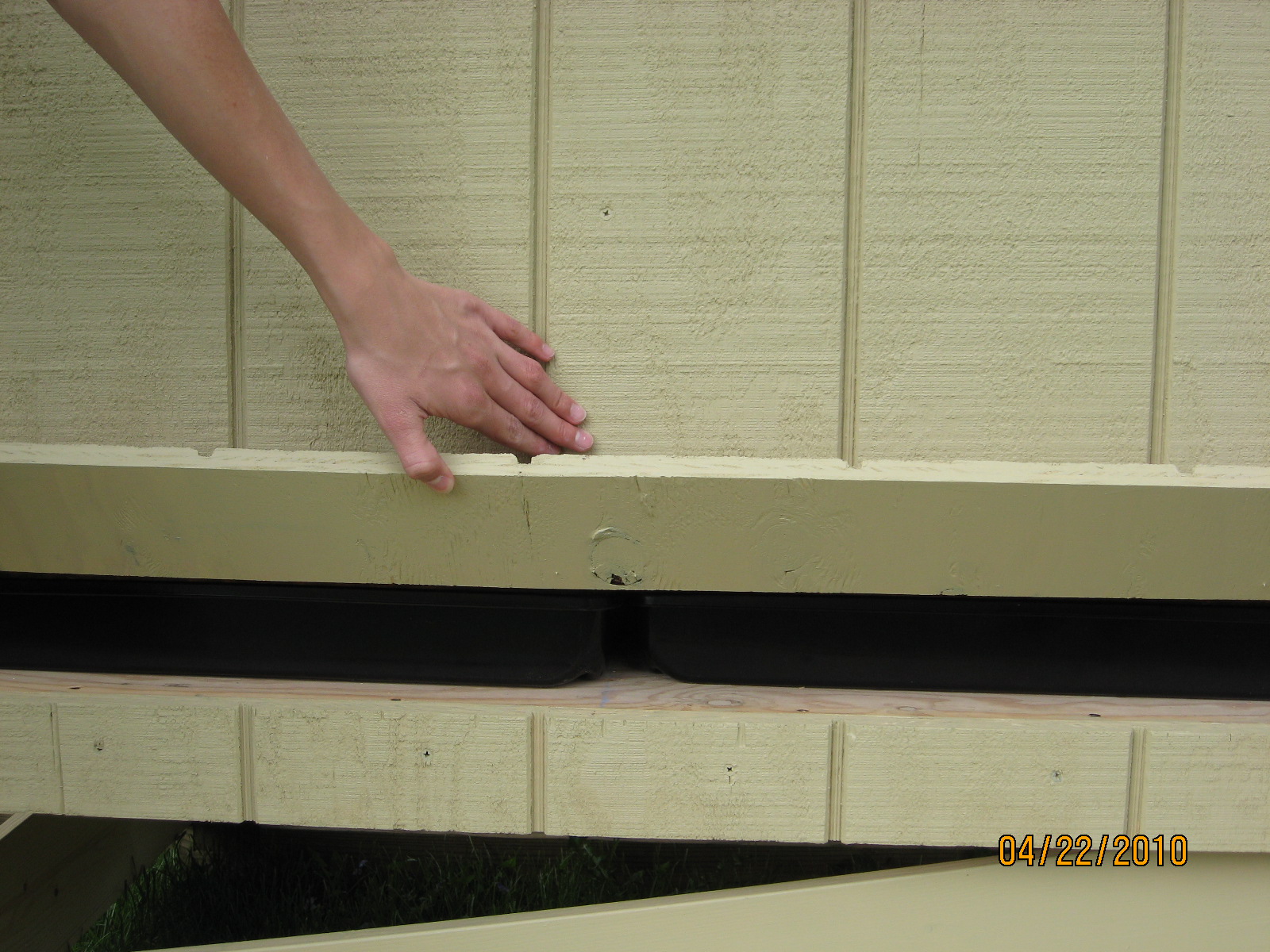
Litter trays.


Run door.


The run.


Updating Older Items

We all get tired of the same old thing and would like to get something new once in awhile.  I looked into getting replacement cushions for this chair at one time and the price was almost as much as a new chair.  The chair has hardly been used other than to collect dust over the years.  After making the cushions for my outdoor wicker furniture I decided to make some slip covers to cover the existing fabric to go with the decor of our bedroom better.  Many will probably prefer the blue cover as my husband does.  I can always take the new cover off it I want another change.
Before
After
The picture doesn't do the fabric justice. It's much nicer looking in person.

Sunday, April 10, 2011

Olive and Pimento Cream Cheese Spread

I love those cheesy (no pun intended) cream cheese spreads that come in a small jar. I can’t count how many of those “jars” we have as juice glasses in our cupboard. Once you eat the cheese, the jars they come have a second use. How resourceful is that? Growing up my grandmother would buy the spreads as a special treat for us. My favorites were olive, pimento, and pineapple. After finding a recipe for a pimento cream cheese spread I started to wonder if I could use olives…..here is the result! Next to try to make pineapple.


Olive and Pimento Cream Cheese Spread

1 -5 oz. jar of pimento stuffed green olives

1 -8 oz. package cream cheese

2 -tsp. half and half or heavy whipping cream

Drain and rinse olives; rinsing helps to remove some of the excess salt from the brine.
Place the olives into the food processor and hit pulse a couple times just to chop them up.
Add the cream cheese and half and half. I broke the cream cheese into 4 sections so it would mix easier. Blend until desired consistency.

Monday, March 28, 2011

Confessions of a Recycling Junkie

I have been an avid recycler for years. My husband gives me a hard time because I often wash plastic containers in the dishwasher before I recycle them. He wonders why I wash our trash. I have my own logic. I want the items to be clean while they are sitting around until trash. Dirty containers attract bugs and I don’t like surprises when I pick up something.

Lately, I have been known to grab something out of the trash my family has thrown into the trash can instead of placing it in the recycling can. I then kindly remind them that the item is recyclable. I recycle as much as I can. Cardboard tubes from paper towels and bath tissue rolls, junk mail, magazine inserts, the list goes on. Each week our recycling container is fuller than the actual trash can. Sometimes I can’t put out all of our recyclables because the bin is full. I often I feel like I am the only one on the block that recycles, which is a shame.

Not only do I recycle as much as possible, I compost a lot of table scraps, tea bags, coffee filters, and even the paper which tea bags are wrapped in. I don’t add any meat or dairy items to the compost bins. I do, however, compost egg shells. They help add calcium to the soil.

I didn’t realize myself, how much a recycling fanatic I had become. Last night we had dinner with friends. As the table was cleared, so many things were tossed into the trash. This included a large plastic sour cream container. I didn’t see it go in there, but there it was staring at me. I felt as if it was screaming at me each time I threw something in there to get me out of here! I wanted to grab it out of the trash, rinse it and recycle it. It took all my strength not to.

Why don’t more people recycle? It doesn’t take much more time to rinse out a can, glass, or plastic bottle, and separate them on trash day. Once you get into the habit it becomes natural.

Recycling is one thing I hope my son continues to do when he is away from home and also when he grows up and is out on his own.

There are many environmental benefits of recycling. These are just a few listed on the EPA’s web site: http://www.epa.gov/osw/conserve/rrr/recycle.htm
Benefits of Recycling

• Recycling protects and expands U.S. manufacturing jobs and increases U.S. competitiveness.

• Recycling reduces the need for landfilling and incineration.

• Recycling prevents pollution caused by the manufacturing of products from virgin materials.

• Recycling saves energy.

• Recycling decreases emissions of greenhouse gases that contribute to global climate change.

• Recycling conserves natural resources such as timber, water, and minerals.

• Recycling helps sustain the environment for future generations.

Thursday, December 30, 2010

Raising Backyard Chickens


 The number of people raising backyard chickens is on the rise. Are backyard chickens a novelty or a trend of the future? Many cities and suburbs around the nation are taking up the chicken debate and passing ordinances to allow chickens in urban areas. What is the draw to chickens? For many it is simply an extension of their desire to become more sustainable.

Back in the 1800’s chickens foraging freely throughout neighborhoods was the norm. For many people choosing to raise chickens is a part of a desire to be less dependent on others to supply their food. Home gardening has increased with the drop in the economy. Chickens often fit into a more sustainable life style. Chickens are very beneficial pets. Chickens are great at eating insects from your garden, they supply you with fertilizer for both your lawn and garden, and they give you eggs! You can’t say that about a pet dog or cat.

Unfortunately chickens are not always accepted by others as dogs or cats tend to be. Before deciding if raising backyard chickens is for you, there are several things you need to research and take into consideration. Although many cities are becoming chicken friendly, others are not. Before you start your venture you need to check your local city ordinance to see if chickens are allowed within city limits. Some cities have specific requirements as to coop placement, number of birds you can have, and the size area in which you keep them. Some also require you to notify neighbors and apply for permits. Many do not allow roosters. If your city does not allow chickens as pets you can become active in changing the regulations. Many groups have worked together to get the city ordinances of many cities changed over the past few years as the novel idea of backyard chickens has taken off.

BackyardChickens.com was started by a web developer, Rob Ludlow, from California whom has chickens as pets. He started the web site as a source of information for other chicken enthusiasts as well as a social outlet to gather tips and information from other owners.

Once you have determined that you are allowed to have chickens within the city you need to consider what breed of chicken is right for you. There are many tools you can choose for selecting chicken breeds. Mother Earth News recently launched a Pickin Chicken iPhone/iPad app. Henderson’s Chicken Breed Chart is loaded with information on various breeds including how well they lay eggs, the size and color of their eggs and also their personalities.


When choosing chickens as pets you want to look for docile birds that adapt to well to living in confinement. You want a breed that can be handled easily and isn’t going to make a lot of noise to upset the neighbors. If you choose more than one breed of bird you need to do research on how well they will get along with other breeds.

While researching the various breeds of chickens available you should also look for a reputable hatchery. Iowa has several hatcheries you can choose from. Some require you to purchase more birds than you will want, so you may try to find a group to place an order with. Hoover’s Hatchery was recommended to us and we were able to go together with two other families to meet the minimum requirement for shipping. You can also purchase birds from a local farm store in the early spring; however, the types of breeds available are limited.

If you are new to raising chickens, before you place your order for birds you should do some research on how to care for the animals. We found the book Storey’s Guide to Raising Chickens extremely useful. It contains information on a wide range of topics regarding raising chickens. It’s one of the most complete resource books we have found.

In preparation for your birds you need to decide where you will keep them. Many people getting birds for backyard pets choose to order birds in the spring and keep them in the house until they get four to six weeks old and develop their feathers. If you are going to keep them in the house where will you keep them? Baby chickens need frequent care and cleaning up after. They not only need food and water, but require heat and light for warmth.

Feed for you chickens is something else you have to consider. Chickens require different types of food depending on age, and purpose. If you are wanting your hens to lay eggs as they get older, you need to make sure they receive laying rations of food. There are many brands of feed. Some companies also produce organic feed for chickens. If your local supplier does not stock organic feed, and it is something you are interested in, just ask if it is available to order. I found Theisen’s can order organic chicken feed for me and it doesn’t cost much more than non-organic. The organic feed I use is a complete mix which means I do not have to give them a calcium supplement as I would normally have to do if I used non-organic varieties. Be sure to look at the label of the feed you choose to make sure it is age appropriate. Age varies by brand. Many have a starter for newly hatched chickens, and then you progress to finisher and finally layer, unless you plan to use the birds for meat. If this is your plan then you need to use broiler feed instead of layer.


Working on a coop is something many people do while the chickens are being housed indoors. Once they have gotten old enough it’s time to introduce them to their new home. There are many things to consider when building your coop. Does it have access to electricity? Is it easy to clean? Does it have enough space to house the number of birds you plan to get? Do you have an area for an outdoor run? If the weather is cooler, how will you keep them warm? Insulating your coop will help to keep them cooler in the summer and warmer in the winter.

Coop placement is another consideration. Some city regulations require coops be a specified distance from neighbors. Placing the coop where you can keep an eye on your chickens is a good idea. It also makes it more convenient when gathering eggs and taking care of them if it isn’t too far away from your house. Although you may not have the predators within the city such as coyotes to worry about, you do have neighborhood dogs and cats that would like nothing better than to make a meal out of your chickens. Making sure your coop is fenced heavily will help. Do some research on ways to make your coop more predator safe. Locking up your birds at night is another good way to help keep them safe.


Your chickens will help clean bugs from your yard. They will eat extra produce from your garden and in turn supply you with eggs and compost! Living in an urban area you need a place to dispose of their manure. It’s not a good idea to place it directly onto garden beds because it can harm the plants. Instead, place their manure into a compost bin to decompose. Having more than one bin is a good idea so you can alternate using them. While one is composting, you can continue to add items to the other one. A more detailed article on composting chicken manure can be found at (http://seattletilth.org/learn/resources-1/city-chickens/compostingchickenmanure).


Whether you choose to use organic feed, decide on a breed that will lay white, brown, or even Easter colored eggs, I’m sure you will find your chickens will bring you extreme joy. Each chicken has his or her own personality and watching their personalities evolve is exciting. They will follow you around the yard, jump to get a treat, come when called, and as we have found, even mimic the sounds of other animals. We have one that can bark like a dog and recently another one has picked up on it as well. They also have started to make a sound like a cat purring.

Holding your chickens and paying attention to them from day one will get them used to your care and contact allowing for more of a bond than you could imagine. Growing up in the country we had chickens, but never as pets. I had no idea how attached I could become to a chicken until we got them. The rest of my family included. Watching them grown and develop has brought us more joy than we could have expected. Being allergic to dogs and cats is one of the main reasons we opted for chickens. Now we choose chickens. Not only are they beneficial to our garden, they don’t bark and keep us up at all hours like the neighborhood dogs do. In addition we get to eat fresh eggs every day! You can’t say that about a dog or cat!